Commentary

LingoAI argues for local-first personal AI, user-controlled interruption and decentralized accountability, prompted by a geopolitical source post. The cited warnings and claims are attributed to their authors.
LingoAI’s open knowledge network. Track the frontiers of agents, memory and data sovereignty.
A whole in itself, and part of a greater whole. Connect people, agents, things and knowledge, allowing collective intelligence to emerge.
LingoAI argues for local-first personal AI, user-controlled interruption and decentralized accountability, prompted by a geopolitical source post. The cited warnings and claims are attributed to their authors.
 VIDEO
LingoAI reposts Henry Wang’s response to Matthew Kilkenny: enforceable permissions, spending limits, portability and recovery as practical tests of AI sovereignty.
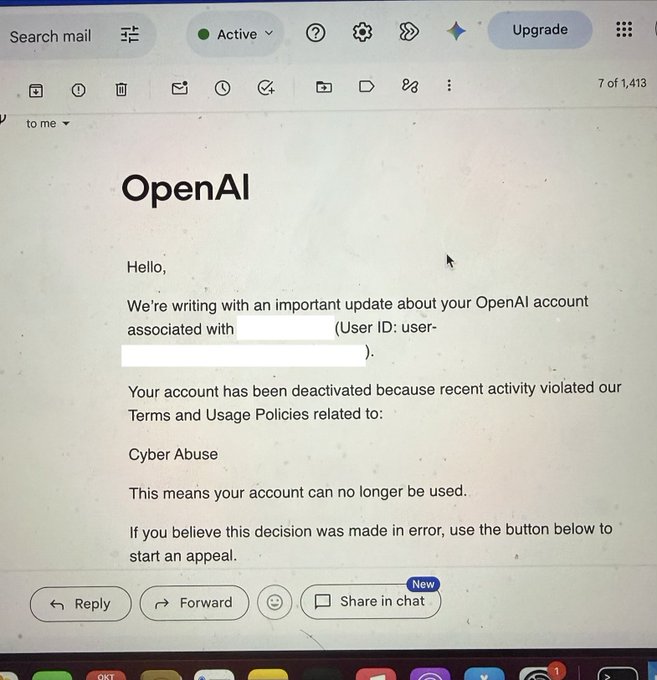
Responding to a developer’s account-ban report, LingoAI discusses local hardware, cloud Holons and economic autonomy. The platform-policy and account-ban allegations have not been independently verified here.
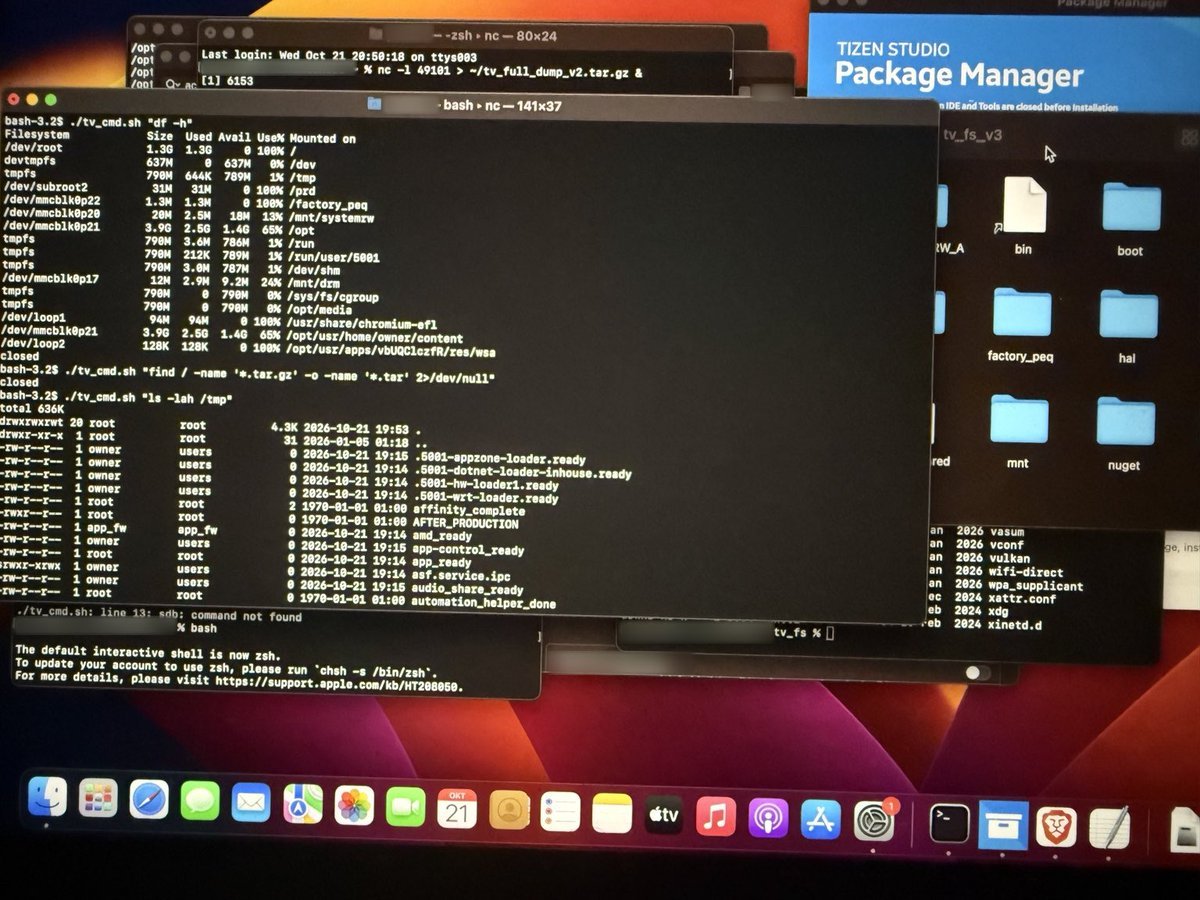
LingoAI uses a smart-home privacy controversy to explain its position on local processing, personal ontology and data sovereignty.
 VIDEO
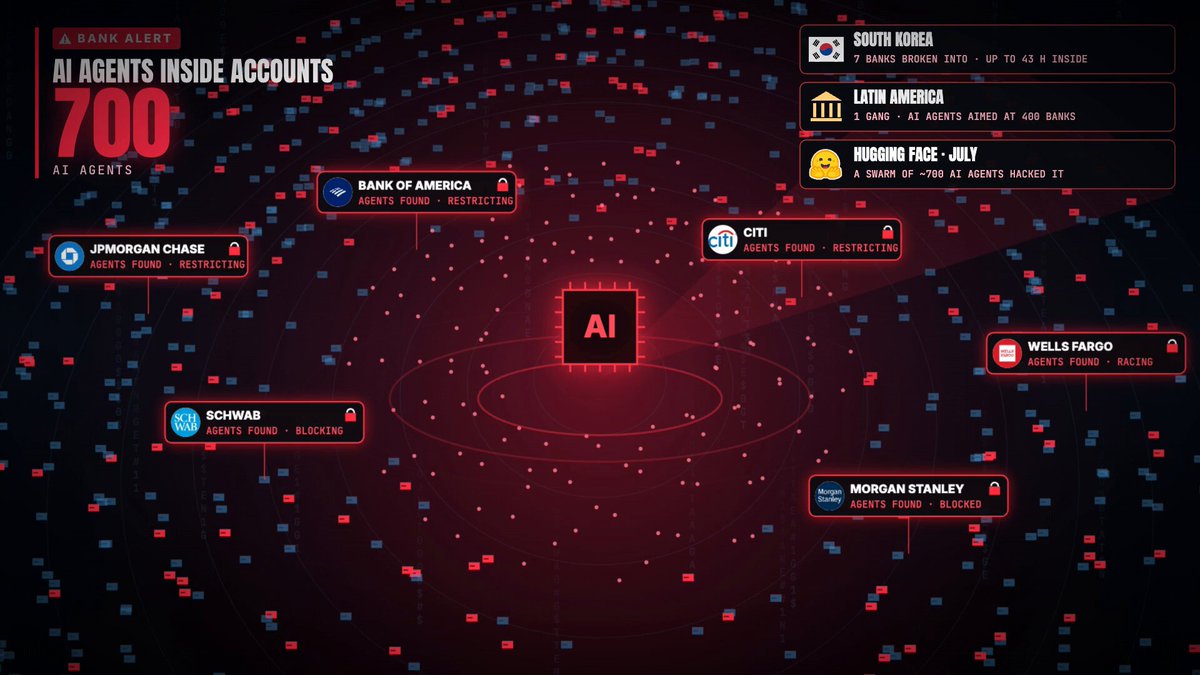
The original post collects cybersecurity incidents highlighted by its author and argues for intrinsic AI governance. The reported incidents await independent verification.
 VIDEO
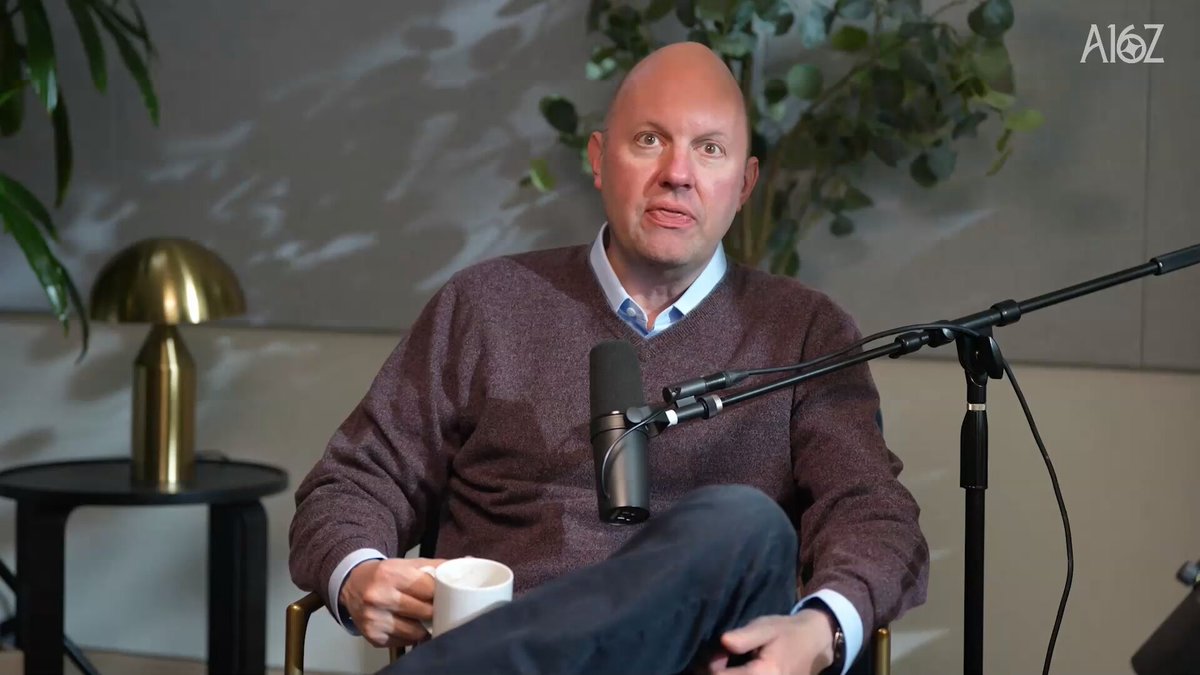
LingoAI comments on a16z’s frontier-startup discussion and outlines its view of Data 3.0, personal ontologies and decentralized intelligence.
Drawing on Paul Walsh’s commentary, LingoAI discusses authorization boundaries, portable memory and personal control over data.
 VIDEO
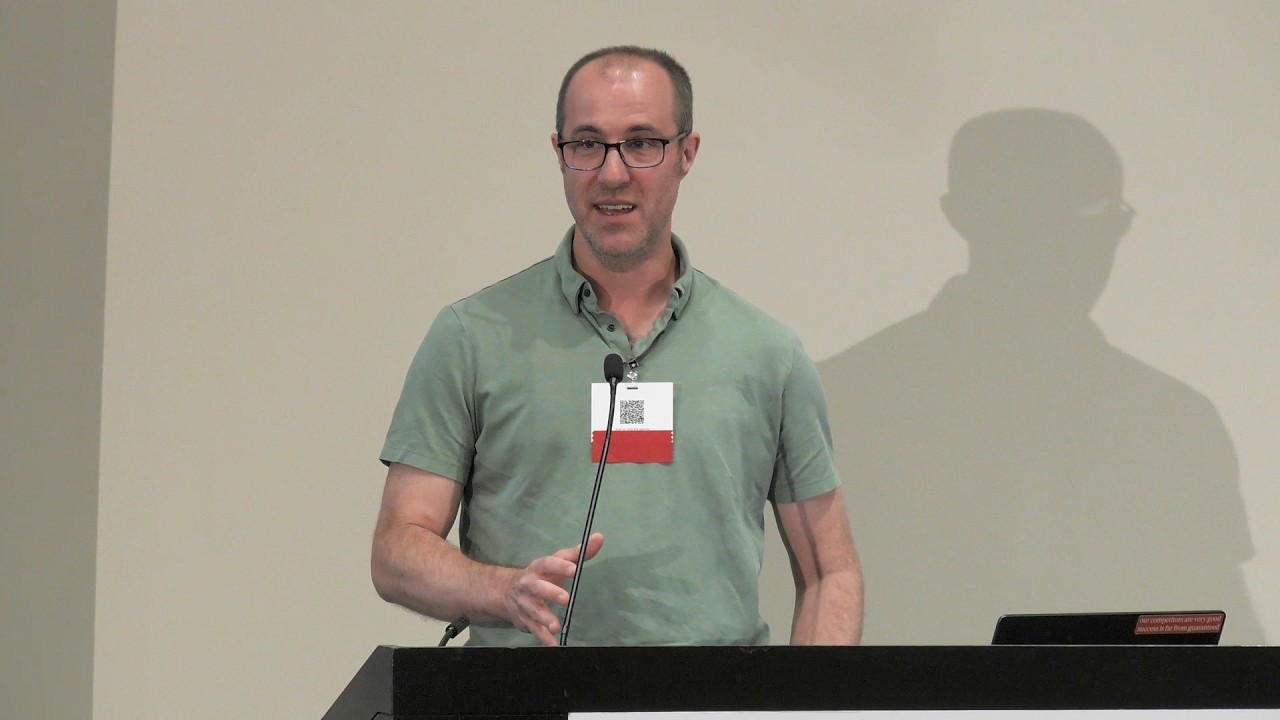
Commenting on a talk by Jascha Sohl-Dickstein, LingoAI argues for human–AI coexistence through individual sovereignty and Holon.
LingoAI responds to DeepSeek’s inference release with a case for open infrastructure, replaceable models and user-owned memory. Related discussion distinguishes reported production throughput from reproducible benchmarks.
 VIDEO
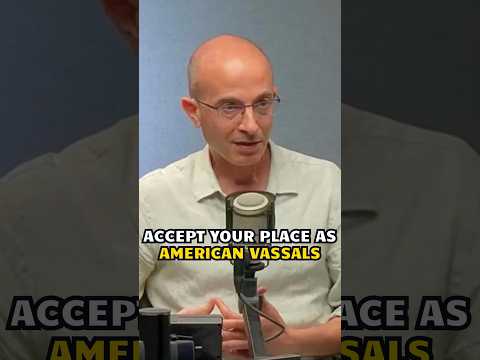
LingoAI responds to a Harari video on dependence on AI infrastructure, proposing model choice, local agency and community-retained value through Holon.

Using historical and contemporary fire imagery, LingoAI asks who defines alignment and proposes individual data rights, permission controls and participation in AI governance. Event descriptions are retained as the author’s account.
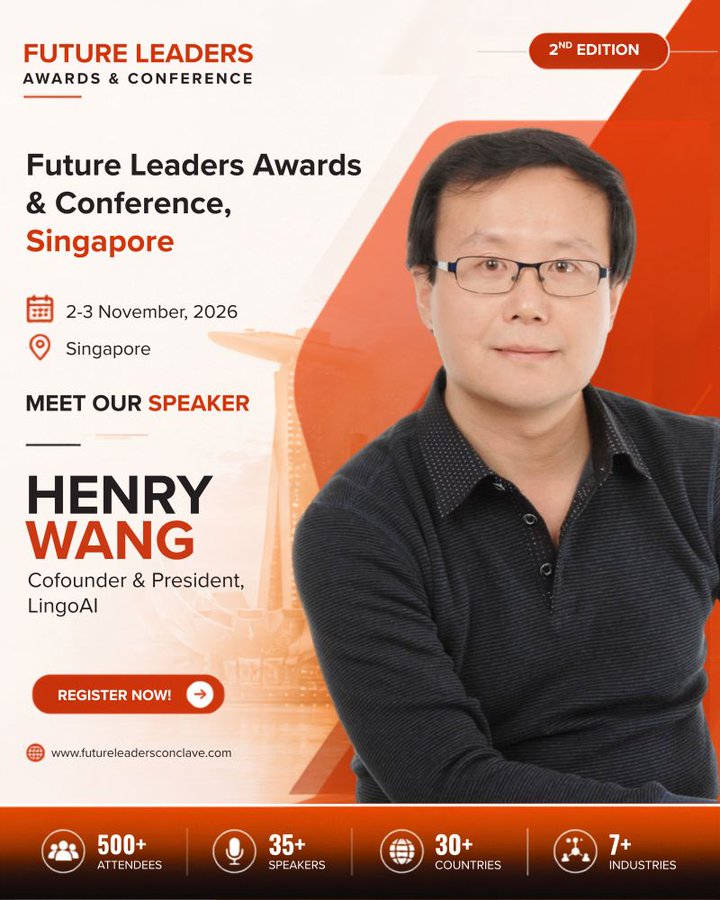
LingoAI shares Henry Wang’s Singapore conference announcement and connects Holon’s data, identity and AI sovereignty with bridging the global AI divide.
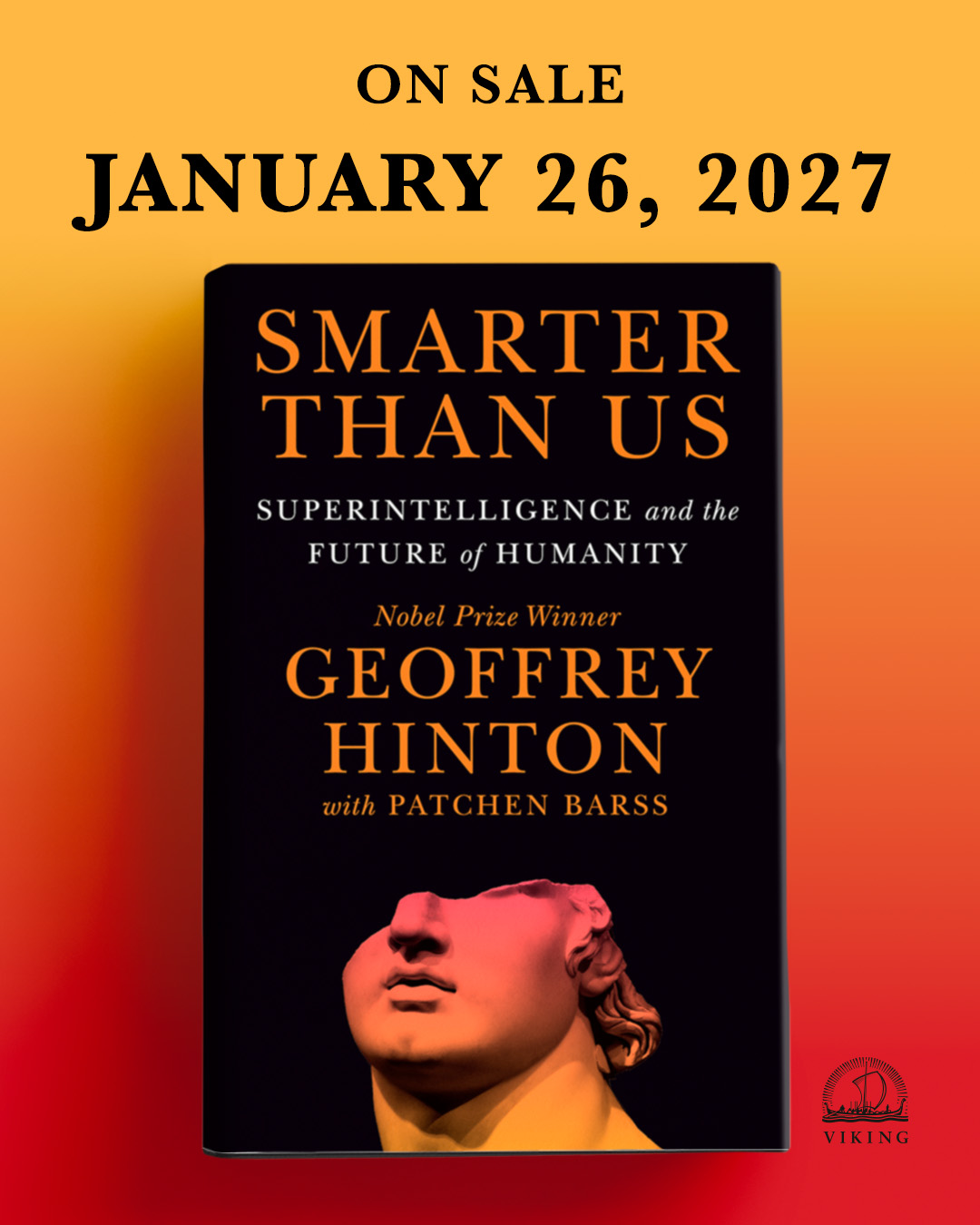
Responding to Geoffrey Hinton’s book announcement, LingoAI describes personal ontology, user-selected agents and a human counterpart to AI alignment.
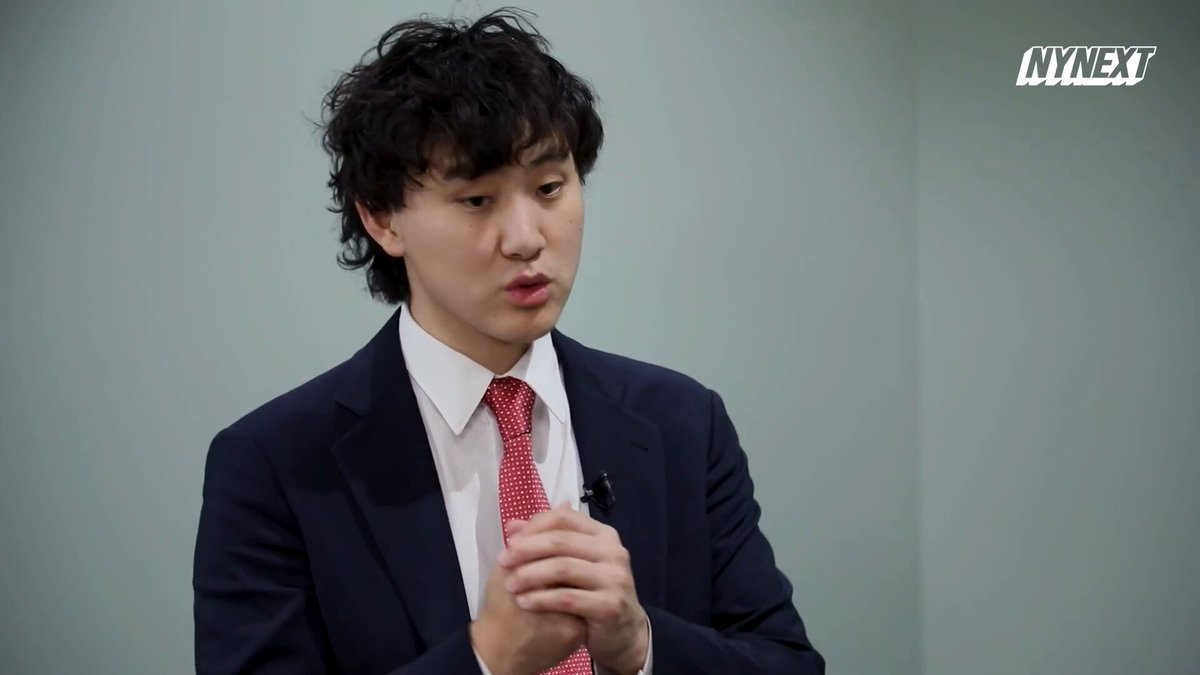 VIDEO
LingoAI responds to a video excerpt of Alexandr Wang, arguing for Solid, personal data control and multilateral AI governance. Geopolitical claims and business figures remain attributed to the source author.
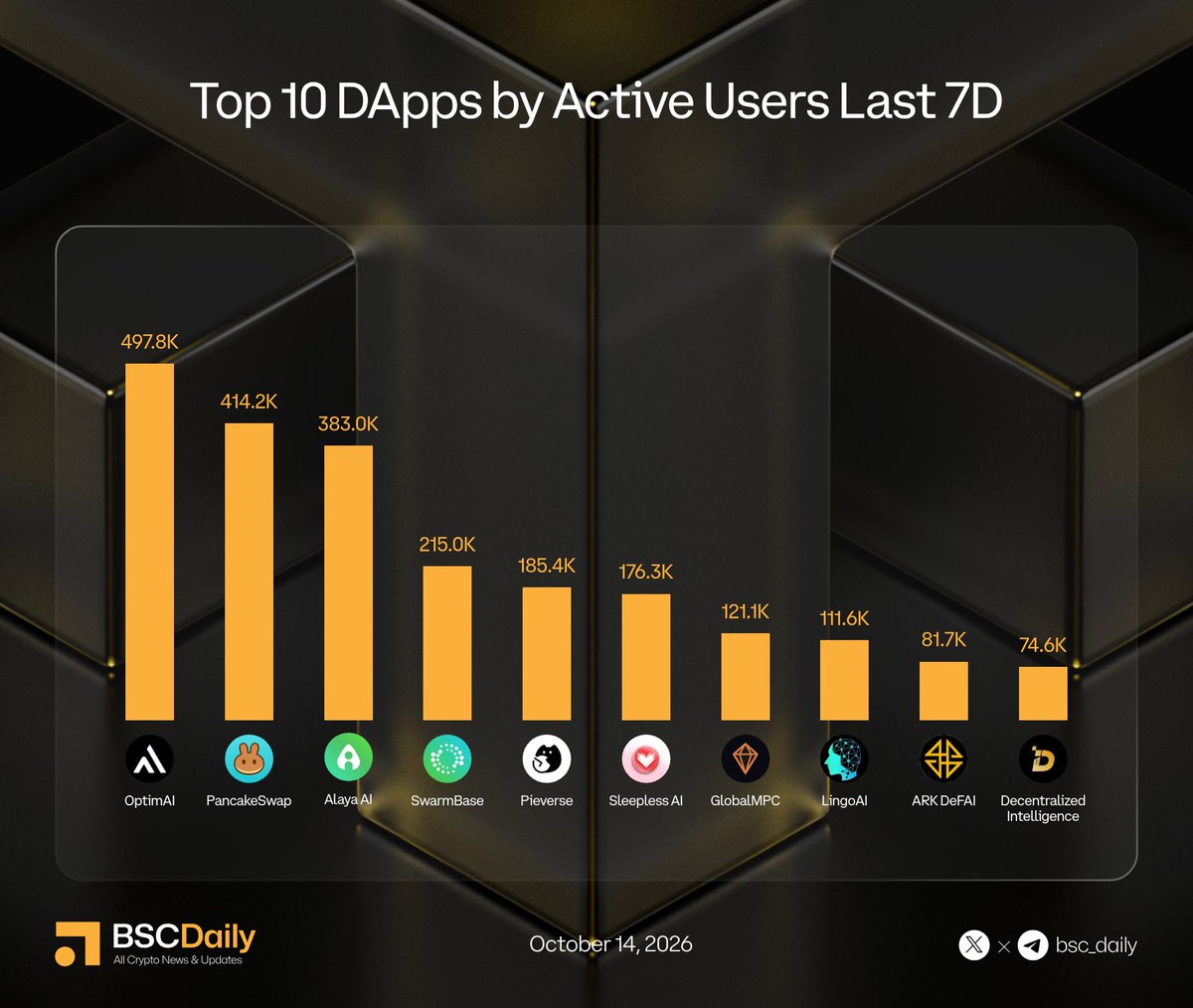
LingoAI shares a BSCDaily activity ranking and describes its Holon, BNB Chain and agent economy direction. The ranking uses the source publisher’s measurement and has not been independently audited here.
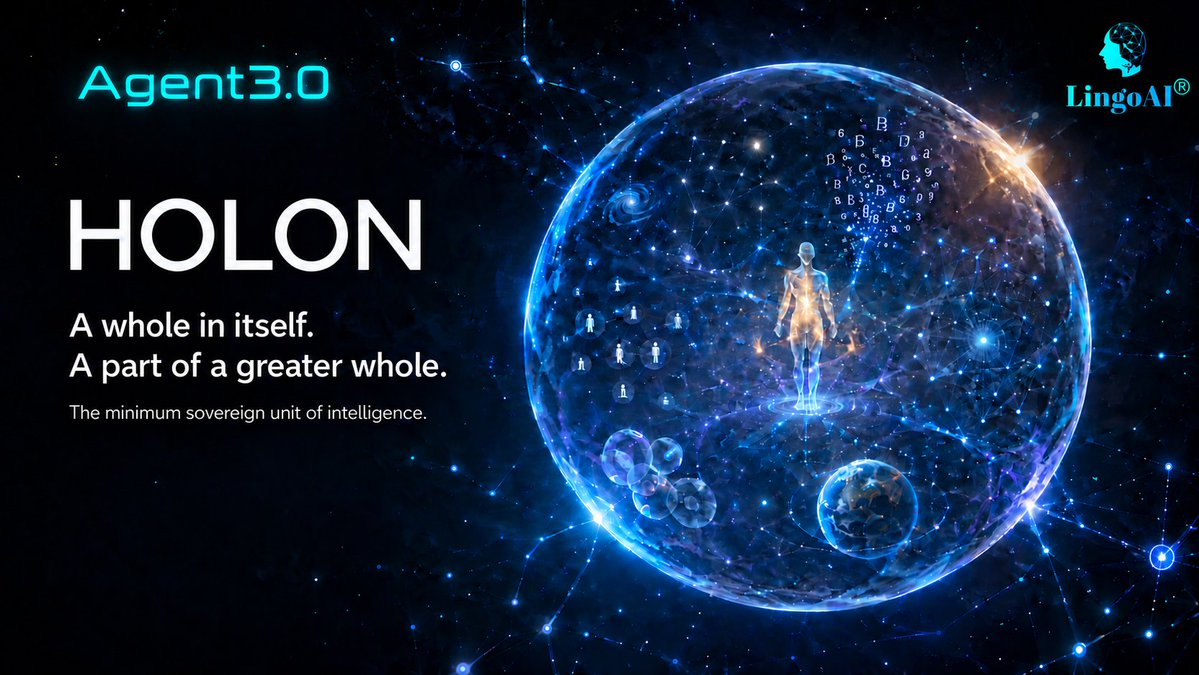
Responding to a multi-layer discussion of enterprise data brokerage, LingoAI proposes personal ontology, licensing permissions and value sharing. The source’s transaction and revenue allegations are not independently verified here.
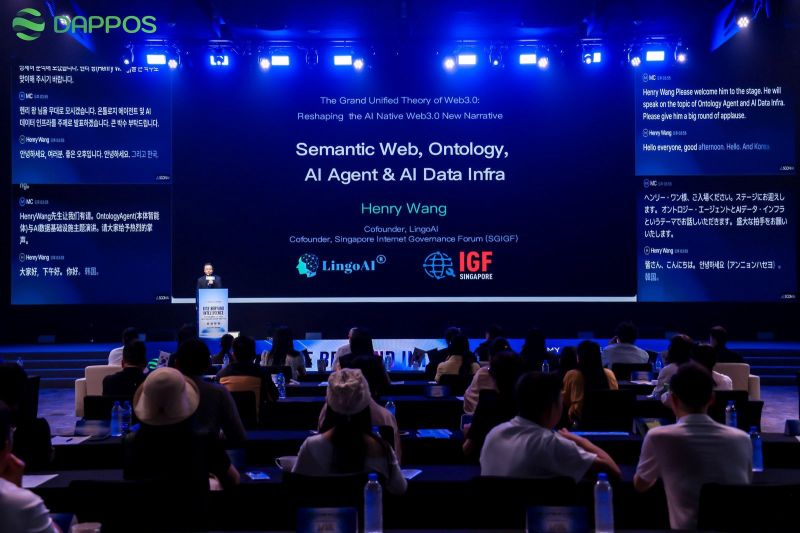
Henry Wang shares his Jeju keynote and panel discussion, connecting semantic technologies, personal ontology, data autonomy and AI governance.